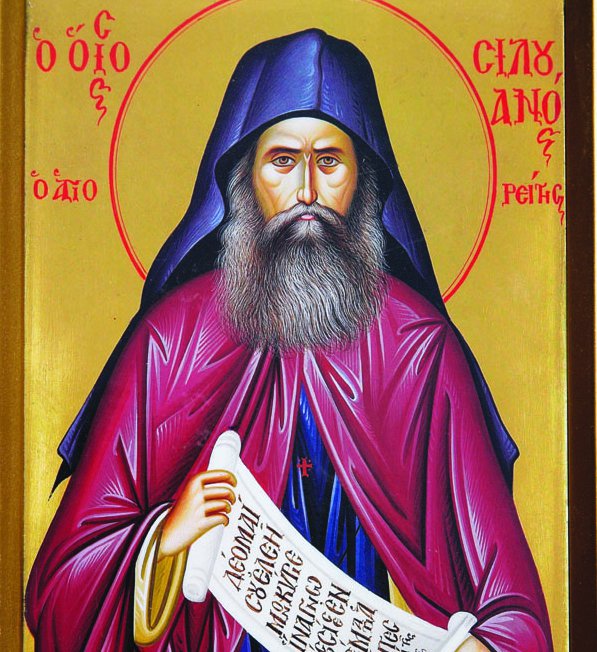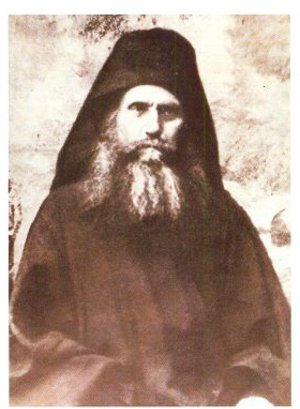
Saint Silouan of Mount Athos
Love is an interior disposition that
cannot be described adequately, but one can specify conditions and
manifestations. In this way it is possible, by close attention to the
wisdom of the Fathers, to define different steps in the love of enemies,
from the most elementary to the highest. [1]
The first step, says St. John Chrysostom, is not to be the first to cause harm. [2]
The second step is not to take revenge in the measure one has suffered. [3]
While the two first degrees do not seem
to concern the love of enemies, they are its preconditions. The tendency
to attack one’s enemies or to take revenge is instinctive and
spontaneous, and receives its approbation from the Old Testament law of
retaliation when taken in its most literal meaning.
The third step is not to take revenge at
all, but to leave that to God, as the Apostle Paul said: “Recompense to
no man evil for evil” (Rm 12:17); “Avenge not yourselves, but rather
give place unto wrath: for it is written, Vengeance is mine; I will
repay, saith the Lord” (Rm 12:19). St. Isaac the Syrian gives the same
advice: “Let yourself be persecuted, but do not persecute. Let yourself
be crucified, but do not crucify. Let yourself be insulted, but do not
insult.” [4]
The fourth step is not to resist. This attitude was advised by Christ: “But I say unto you, That ye resist no evil.” (Mt 5:39)